FAQ
Before using the form below make sure you peruse or search our database of already answered inquiries.
Search the database here.
A complete list of our FAQ’s
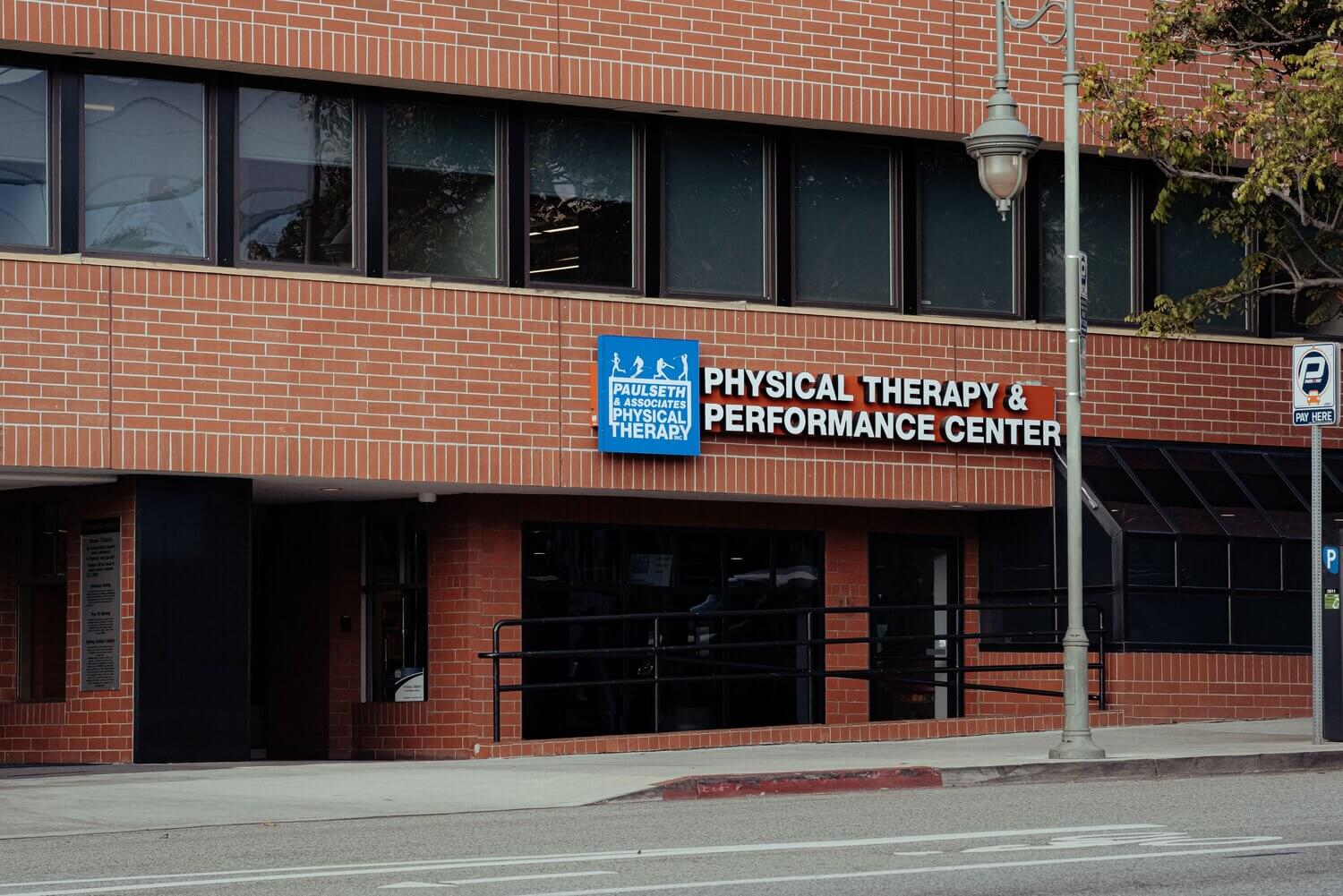
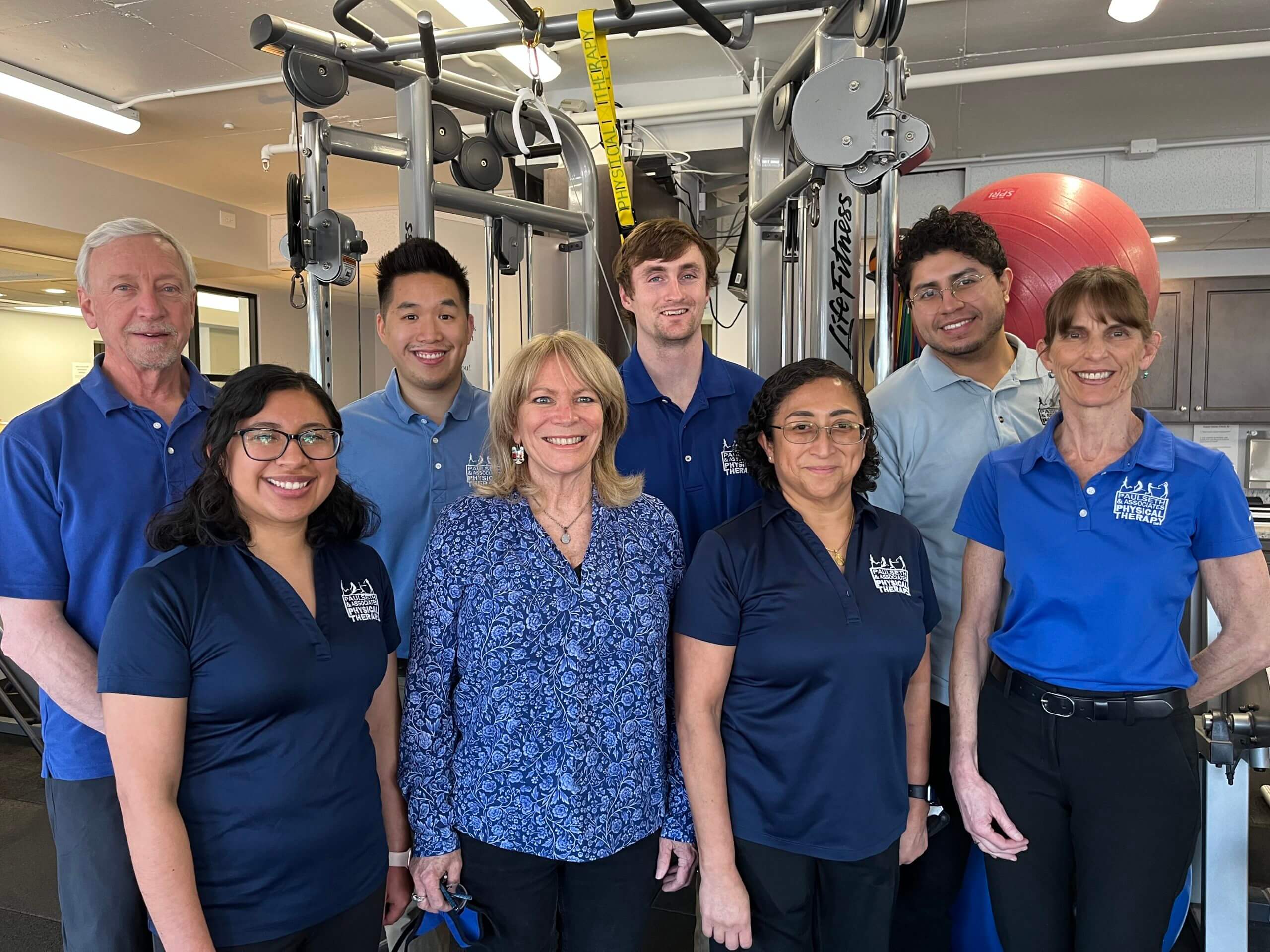
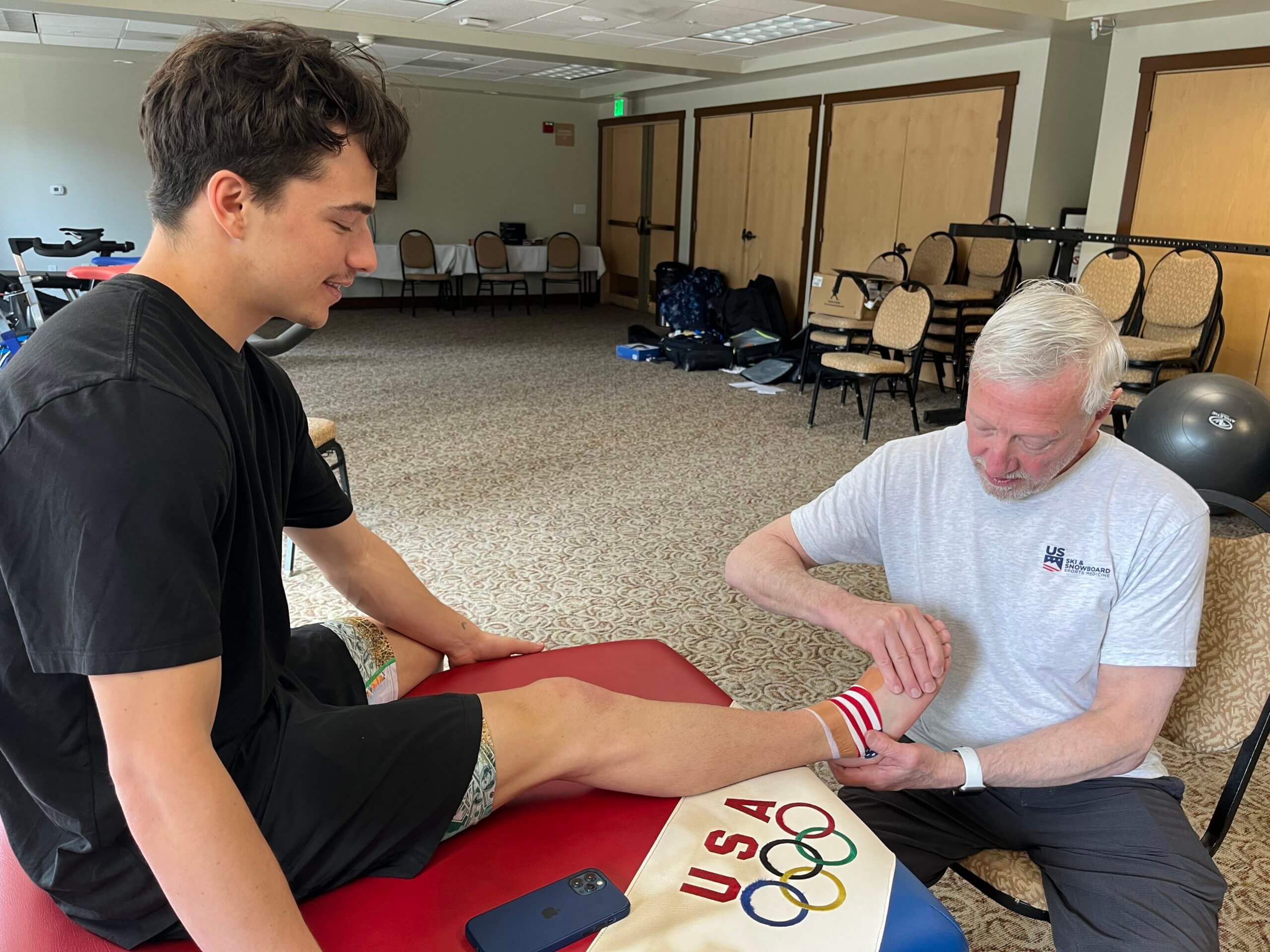
There are so many physical therapy providers, why Paulseth & Associates? " Paulseth & Associates Physical Therapy is a 25 year old physical therapist owned private practice with over 100 years of certified staff experience. We have aided world-class, olympic, and professional athletes, as well as, weekend warriors and those with special needs. Our staff is highly experienced and we are well equipped to provide one-on-one care to assist you pre- or post- surgery and injury. With convenient locations in Santa Monica and West Los Angeles accepting most insurance plans, with free parking and full sports club amenities - whatever your needs may be, we at Paulseth & Associates are prepared for you. " How many therapists are there in the clinic? " Although it varies as we continue to expand our practice. We currently have 6 full/part time licensed physical therapists in our clinics.
" What insurances do you accept? " Answer:
We accept a wide variety of insurance plans. Please visit our insurance page for a full list of insurances accepted. You may also be covered by your auto insurance provider if you have been in an auto accident. If we are not listed in your insurance company's provider book does not mean we do not accept your insurance. Please call or contact us to find out whether you are eligible for coverage, and if so, what your co-payment and/or deductible will be. " Will I be told to stop working out if I have an injury? " Answer: We have been very successful in returning athletes to pain free activity while continuing to participate in your sport/workout. Of course this depends on the type of injury you have. For instance, distance runners who are experiencing a painful and relatively debilitating lateral knee condition called "illiotibial band syndrome" can be taped in a way that alleviates the pain (the quick fix) so that they can continue their training. Meanwhile we institute an individualized strengthening/stretching regimen, and if necessary fabricate orthotics, which in time corrects the underlying mechanical dysfunction, (the lasting fix) ultimately allowing the runner to train without tape, and without pain, never actually having to stop their training during the recovery.
If need be, a physical therapist can help you to effectively modify your exercise program to accommodate a bad back, ankle problem or other malady so that you can achieve the full benefits of exercise with less of the negatives. The use of individualized cross-training during care for the involved area can be extremely beneficial.
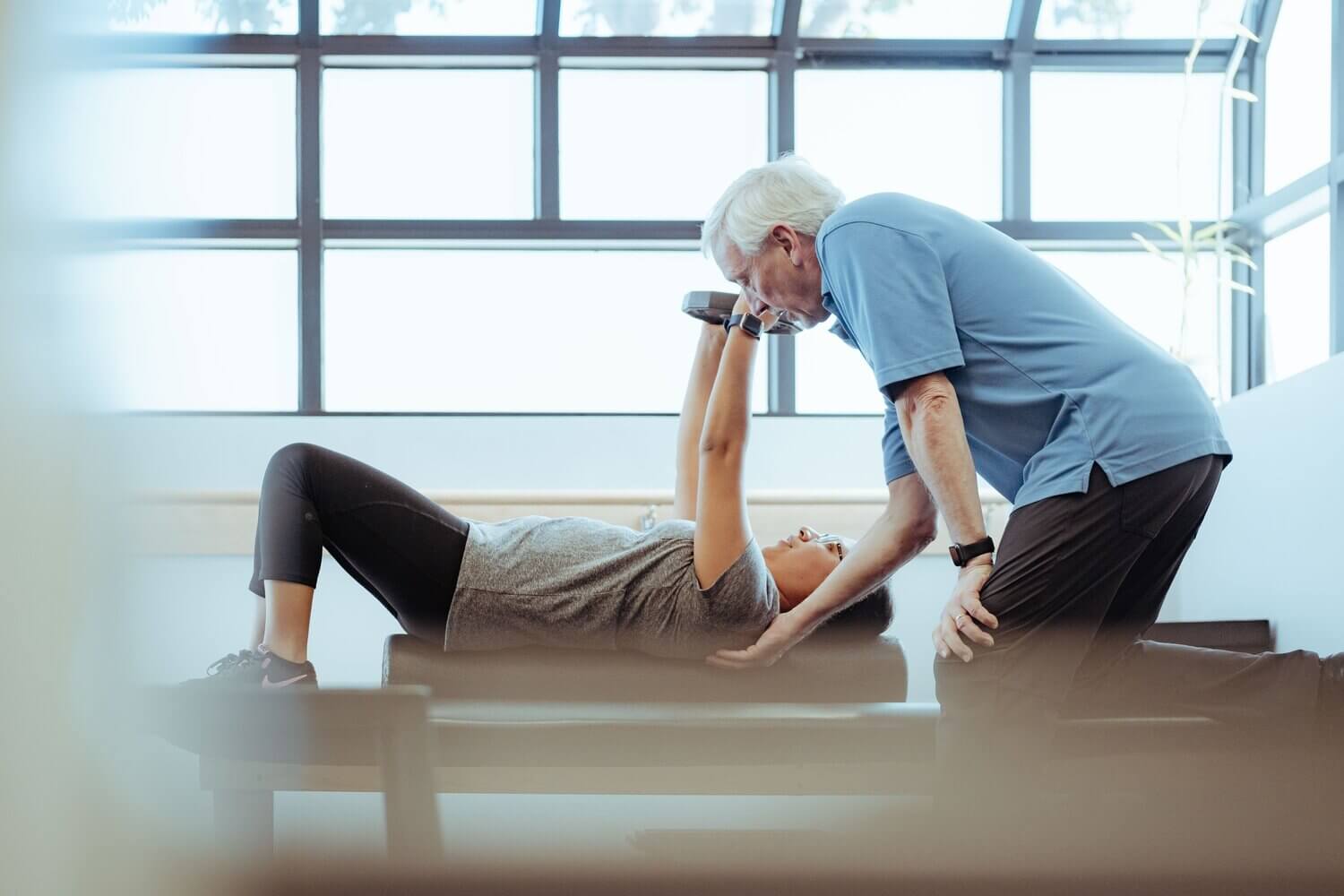
You will be advised to stop if we feel that you are in imminent danger of further injuring yourself or if healing will not occur otherwise. However, our goal is to return you to, or beyond, your prior level of function/performance as quickly as possible. " " Treatment and evaluation reimbursement can be submitted to your health insurance plan if you have a medical prescription for physical therapy. Discounted cash fees are also available. " " Co-payments are dependent upon your individual health insurance plan and provider. Some providers use a percentage of usual and customary fees (which is discounted from our normal charges), others providers have a fixed copay amount which can vary, and some plans have a co-insurance that pays the co-payment such as medicare and AARP or Blue Cross. " " Yes, we currently take MasterCard and VISA. " Do you provide transportation? " No, currently Paulseth & Associates Physical Therapy and Physio Performance Center does not provide patient/client transportation. We are convenient to public transportation. " " Yes, our West Los Angeles and Santa Monica locations have ample, convenient, FREE parking. " Will I see a physical therapist each visit? " Answer: We believe that you should expect to see, and be treated by, a registered physical therapist (PT) each and every visit to the clinic you choose. At our clinic, we never delegate an entire treatment to a physical therapist assistant (PTA) or physical therapist aide, as has become commonplace in many treatment models. Whereas using an assistant (PTA) for this purpose is legal, and is surely cost effective for the clinic, it is certainly not the highest level of care available to you.
We have made a stand to continue a treatment model that provides significant, private access to a registered physical therapist with advanced training in orthopedic and sports injuries. This allows you to ask questions, and get thorough explanations and quality hands-on treatment that we believe is the best kind of care available in our profession. " Should I seek physical therapy before/after orthopedic surgery? " Answer:
We have found that pre-surgical physical therapy promotes and fosters a more effective and rapid recovery post-operatively.
After surgery, physical therapists are experts at expediting healing and return to activity. They can also prevent secondary dysfunction, which is common due to compensatory movements and postures that occur due to pain and swelling. It is also comforting for you to have access to an experienced medical professional to ask your questions and concerns regarding your recovery as they arise. " When should I see a physical therapist? " Answer: Minor aches and pains tend to take care of themselves with rest. But if you have a symptom that recurs more than once, and/or limits you from doing what you enjoy or your daily activities, it's time to see a physical therapist.
As the years go by, an accumulation of small "incidents" can create a significant problem For example, a certain manner of walking due to a "fallen arch" may produce back pain, especially if the walking intensifies in time and speed.
A physical therapist can help you identify whether the pain, soreness and/or stiffness requires treatment or is something that will run its course shortly.
" Why should I see a physical therapist rather than self treat? " Answer: A common mistake made when self treating is to treat the symptom, rather than the cause. This can lead to short term benefits, rapid symptom recurrence and the possibility of a chronic pain cycle. Pain is a symptom, not the cause of the problem, therefore knowing where you hurt is not as useful as knowing what is at the source of the problem. Often times the cause of symptoms may be remote from the location of pain, or may be related to postural or movement dysfunctions, commonly known as a "compensation" or "substitution".
An analogy of treating the symptom, versus the cause, in the field of gardening is the process of weed abatement. The novice gardener may try to save time by mowing over the weeds for a "quick fix", only to have the weeds return with the next rains. The skilled gardener knows the root (pun intended) of the problem. He/she knows that by eliminating the root, future problems will be far less abundant.
A physical therapist is like the experienced gardener. Due to his/her knowledge of the neuro-musculo-skeletal system, and experience treating pathology, a therapist can help you find the cause (or root) of your problem based on factual evidence. Then a plan is made as to the best way to promote healing and prevent secondary dysfunction from occurring. This plan is then made clear to you, therefore ultimately enabling you to self-treat more effectively.
The goal of physical therapists, and healthcare practitioners in general, should always be to teach a patient how to treat themselves in the most effective manner. This can then lead to a lasting solution, rather than ongoing dependence on therapy. " What exactly do physical therapists do? What should I expect?
" Answer:
As physical therapists, we first perform an evaluation, incorporating subjective and objective information through interview and physical assessment techniques. We then make an assessment as to the cause of symptoms, and form a treatment plan utilizing our knowledge of biomechanics, tissue healing, exercise physiology, and a detailed anatomical understanding of the neuro-musculo-skeletal system.
This plan will often include joint and soft tissue (muscle, fascia, nerve) mobilization and manual movement reeducation techniques, prescribing of therapeutic exercise and utilizing adjunctive modalities such as heat/ice, ultrasound, or electrical stimulation. During the treatment process, we are able to decrease restrictions, weakness, swelling and abnormal movement patterns which lead to, and accompany, pain. We then educate the patient and answer any questions as to the cause of symptoms and suggest self-care ideas with the goal of breaking the cycle of dysfunction to prevent future symptom recurrence.
We are also a great intermediary between you and your doctor. As the individuals who spend the most time with you therapeutically, we provide information to your physician that is sometimes hard for you to explain by yourself. We create written reports and interact with your doctor by phone when necessary, communicating detailed information that helps the medical team make the best unified decisions for your health and recovery.
We believe that you should also expect to see, and be treated by, a registered physical therapist (PT) each and every visit to the clinic you choose. At our clinic, we never delegate an entire treatment to a physical therapist assistant (PTA) or physical therapist aide, as has become commonplace in many treatment models. Whereas using an assistant (PTA) for this purpose is legal, and is surely cost effective for the clinic, it is certainly not the highest level of care available to you.
We have made a stand to continue a treatment model that provides significant, private access to a registered physical therapist with advanced training in orthopedic and sports injuries. This allows you to ask questions, and get thorough explanations and quality hands-on treatment that we believe is the best kind of care available in our profession. " What causes pain in the front of my knee? " Pain in the front of the knee can be caused by many things. The most common cause is something we call patello-femoral dysfunctions. This is a problem with the way the knee cap tracks relative to the femur or thigh bone. Poor tracking causes wear and tear on the patella and ultimately pain. Many factors contribute to these dysfunctions including weakness of the quadriceps (muscle in the front of the thigh), tightness along the outside of the thigh and knee, and other dysfunctions in the hips or feet. " When I surf I sometimes get pain in my arm and numbness/tingling in my hand. What causes this? " One of the muscles that surfers use a lot is the medial tricep located on the back and inside of the upper arm. The ulnar nerve, which is one of three major nerves in the arms, runs near this muscle. Overuse of the muscle from surfing can cause restrictions around the neve. The body can usually compensate for injury to a nerve in one location. Surfers, however, also hold their necks in a backward bent position while paddling. This position causes decreased space for the nerves in the neck. When a nerve is affected at two different locations along its pathway a phenomenon called “Double Crush” occurs. At this point, the body can no longer compensate and symptoms begin to occur. "
Why does my back hurt all of a sudden when I didn’t do anything to it? " Most back problems are not a result of a single incident. They develop over time from poor posture and bad habit patterns like lifting poorly. All of these behaviors put abnormal stress on the spine causing overstretching of ligaments, micro tearing of discs and overall degenerative changes. Since some structures, for example the discs, have no pain receptors; we can put a lot of stress on them without feeling pain. It is only when a pain causing structure starts to become affected that we feel pain. This is out bodies way of telling us that something is wrong. "General
Office Visit
Physical Therapy
Personal Training
Massage
Pain
Popularity: 7% [?]
Most Popular Posts
- June 17, 2008 -- Standing Up for Shoes That Give Your Feet a Hand (1)
Probably it was not planned that way, but "SATC" coincided with what became the Year of Evil Shoes at the American College of Sports Medicine's recent annual meeting, at which two featured research st... - June 17, 2011 -- Nutrition Tip | Is The “Goo” Good For Your Run (0)
By Safi Madain BS, CSCS | Contributing Author | Based on Safi's article "Is it Goo for you?" The Goo. Does this stuff really work while running? Some brands claim to give boosts of energy, while ot... - October 28, 2010 -- Welcome to Paulseth & Associates Physical Therapy (0)
PAULSETH & ASSOCIATES provides a full range of therapy, training and treatment. Therapy and treatment options include manual therapy, custom foot orthotic fabrication, sports medicine, biomechanic... - October 28, 2010 -- Contact (0)
Paulseth & Associates Physical Therapy, Inc. | Location Info 1950 Century Park East, 2nd Floor, Century City, CA 90067 Within the Meridian Sports Club Building 310.286.0447 | Fax: 310.286 1224 ... - November 17, 2010 -- Physical Therapy Staff (0)
"Welcome to Paulseth & Associates Physical Therapy we provide quality that has become difficult to find in the healthcare profession, we pride ourselves as being the clinic that doctors come to fo...